
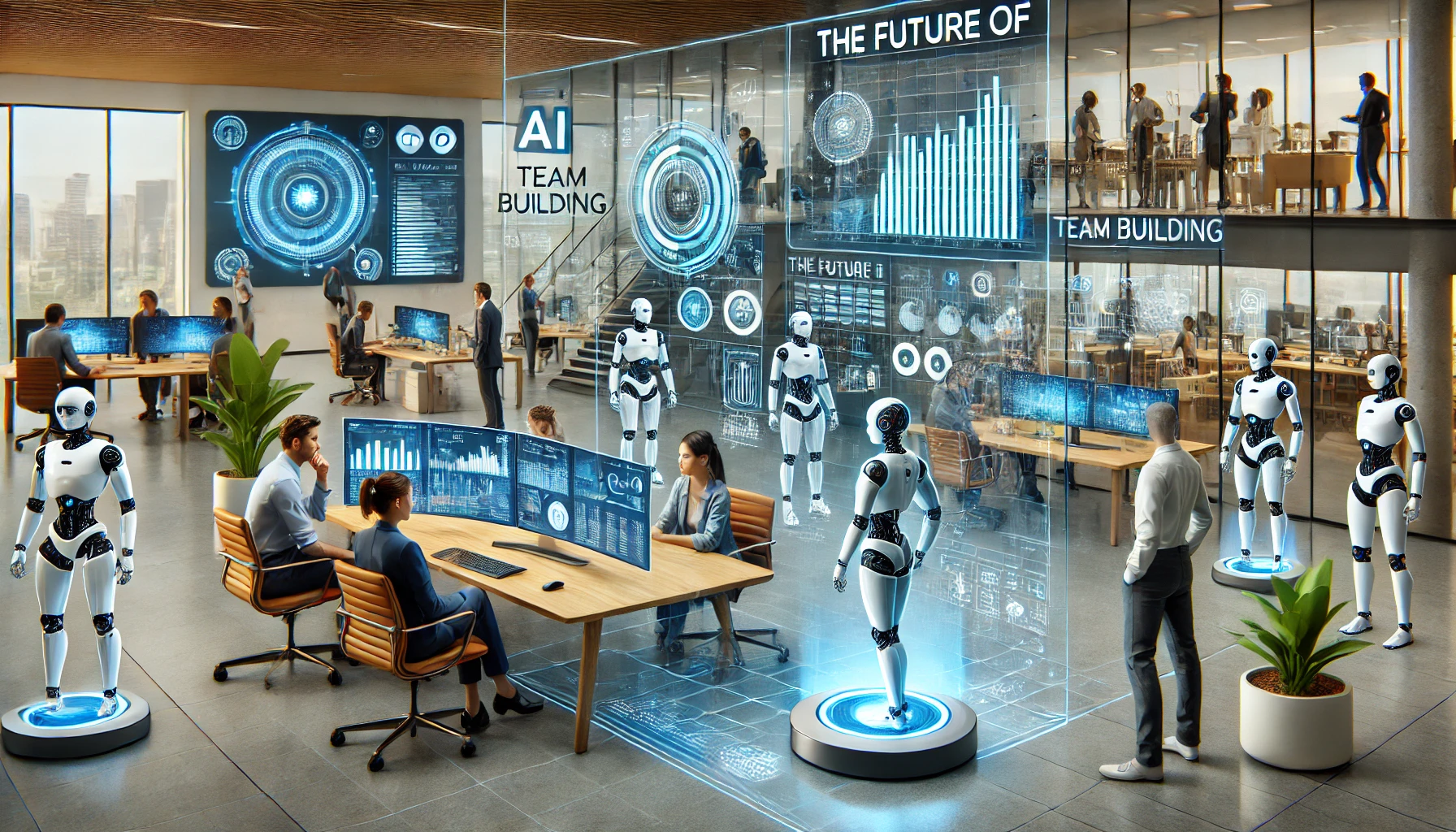
Team building activities play a crucial role in enhancing communication, productivity, and employee engagement. However, in the era of remote and hybrid work, many organizations struggle to move beyond "awkward Zoom calls" and static exercises.
In 2026, AI is the key to increasing adoption of these activities by making them more personalized, adaptive, and—most importantly—genuinely fun.
🚀 The AI Evolution of Classical Team Building
The shift from manual coordination to AI-driven orchestration has transformed classic activities into high-tech, immersive experiences:
🧩 Scavenger Hunt → AI-Enhanced Virtual Escape Rooms
In traditional scavenger hunts, teams search for physical items. The AI Evolution: Virtual environments now adapt in real-time based on team performance. AI-powered "Game Masters" provide personalized hints only when a team is stuck and dynamically adjust the difficulty of puzzles to ensure the team stays in a state of "flow" without becoming frustrated.
🎨 Collaborative Drawing → AI-Assisted Creative Challenges
Traditional workshops often involve teams creating artwork together on a shared canvas, which can be intimidating for non-artists. The AI Evolution: Tools like Miro AI or Canva Magic Studio now assist teams in turning raw ideas into professional-grade visuals. The team makes the strategic and creative decisions about style, composition, and brand narrative, while AI handles the technical execution, leveling the playing field for everyone.
🎵 Name That Tune → AI-Assisted Music Composition
What used to be a simple identification game has evolved into a creative lab. The AI Evolution: Teams now use platforms like Lyria or Suno to compose original company anthems or project-themed tracks. This fosters a unique sense of shared accomplishment and music appreciation, requiring collaboration on lyrics, mood, and genre.
📊 Why AI Makes Team Building Irresistible
Beyond the "cool factor," AI addresses the core reasons why traditional team building often fails:
- Personalization at Scale: AI analyzes team dynamics and communication patterns to suggest activities that address specific gaps, such as improving cross-departmental trust.
- Equity of Participation: AI-powered collaboration tools (like Sentari) can analyze discussion patterns during activities to ensure every voice is heard, flagging if the activity is being dominated by a single individual.
- Real-Time Analytics: Managers no longer have to guess if an event worked. Modern platforms provide real-time engagement data, showing exactly how collaboration metrics improved during the session.
The "Human Premium" in 2026
As noted in the 2026 State of AI at Work Report, success in the modern workplace depends on the "Human Premium"—the unique advantage created when skilled people work alongside AI.
AI-powered team building isn't about replacing human connection; it's about using technology to strip away the friction and "cringe" of old-school activities, allowing teams to focus on what matters: building trust and innovation.