
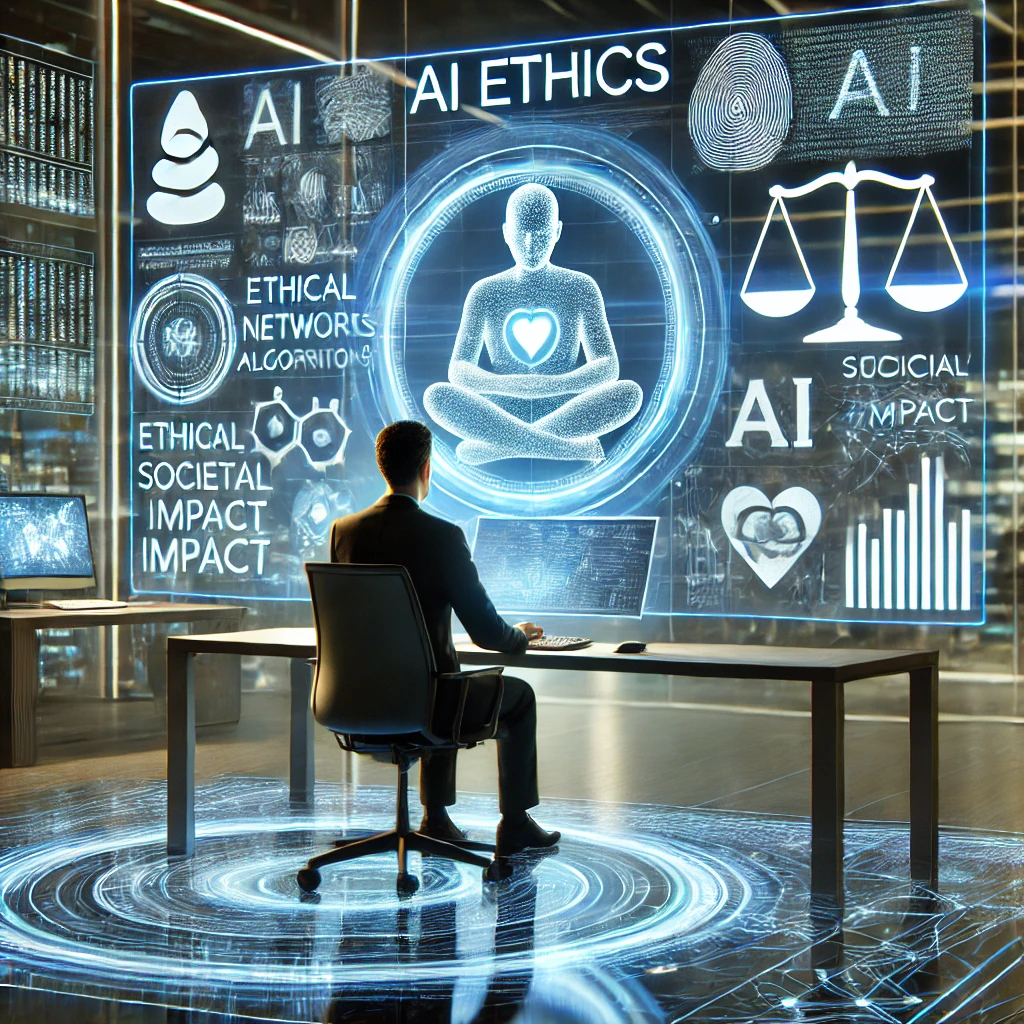
As a Software Engineering Manager with years of experience in the tech industry, I’ve witnessed firsthand the rapid evolution of our field. Looking ahead, I foresee the emergence of a role that is becoming absolutely crucial: the AI Ethics Architect.
In an era where AI is reshaping every aspect of our lives, the need for ethical oversight is no longer optional—it is critical. The AI Ethics Architect stands at the intersection of technology, philosophy, and law, ensuring that our systems are not just powerful, but also responsible and fair.
Potential Responsibilities
The AI Ethics Architect doesn't just "check boxes"; they design the moral framework of the software itself. Their core duties include:
- 🧠 Algorithmic Auditing: Deeply scrutinizing AI models for hidden biases and ensuring fairness across diverse datasets.
- 🤝 Stakeholder Collaboration: Acting as the "translator" between developers, legal policymakers, and ethicists.
- 📊 Impact Assessment: Evaluating the long-term societal implications of an AI deployment before it hits the market.
- 🛡️ Compliance Framework: Developing the internal guidelines that govern ethical AI development throughout the entire lifecycle.
Required Skills: The Hybrid Professional
The ideal candidate for this role possesses a unique, "T-shaped" skill set that blends technical prowess with deep humanistic insight:
- Machine Learning Expertise: A strong background in data science to understand how models function under the hood.
- Ethical Philosophy: A deep understanding of ethical frameworks and how they apply to modern technology.
- Communication Bridge: The ability to explain complex technical risks to non-technical stakeholders and vice versa.
- Risk Mitigation: A proactive mindset to anticipate and neutralize potential ethical pitfalls before they scale.
The Potential Impact on Engineering Teams
As an Engineering Manager, I can envision how this role transforms our development process. It changes the definition of "success." It is no longer just about creating cutting-edge performance or speed; it is about creating AI that aligns with human values and societal norms.
"Ethical AI is not just a moral imperative but a business necessity."
Companies are beginning to recognize that biased algorithms lead to reputational damage and legal liability. The AI Ethics Architect isn’t just a potential job title; it’s a vision of our commitment to shaping a future where technology empowers humanity without compromising our core values.