
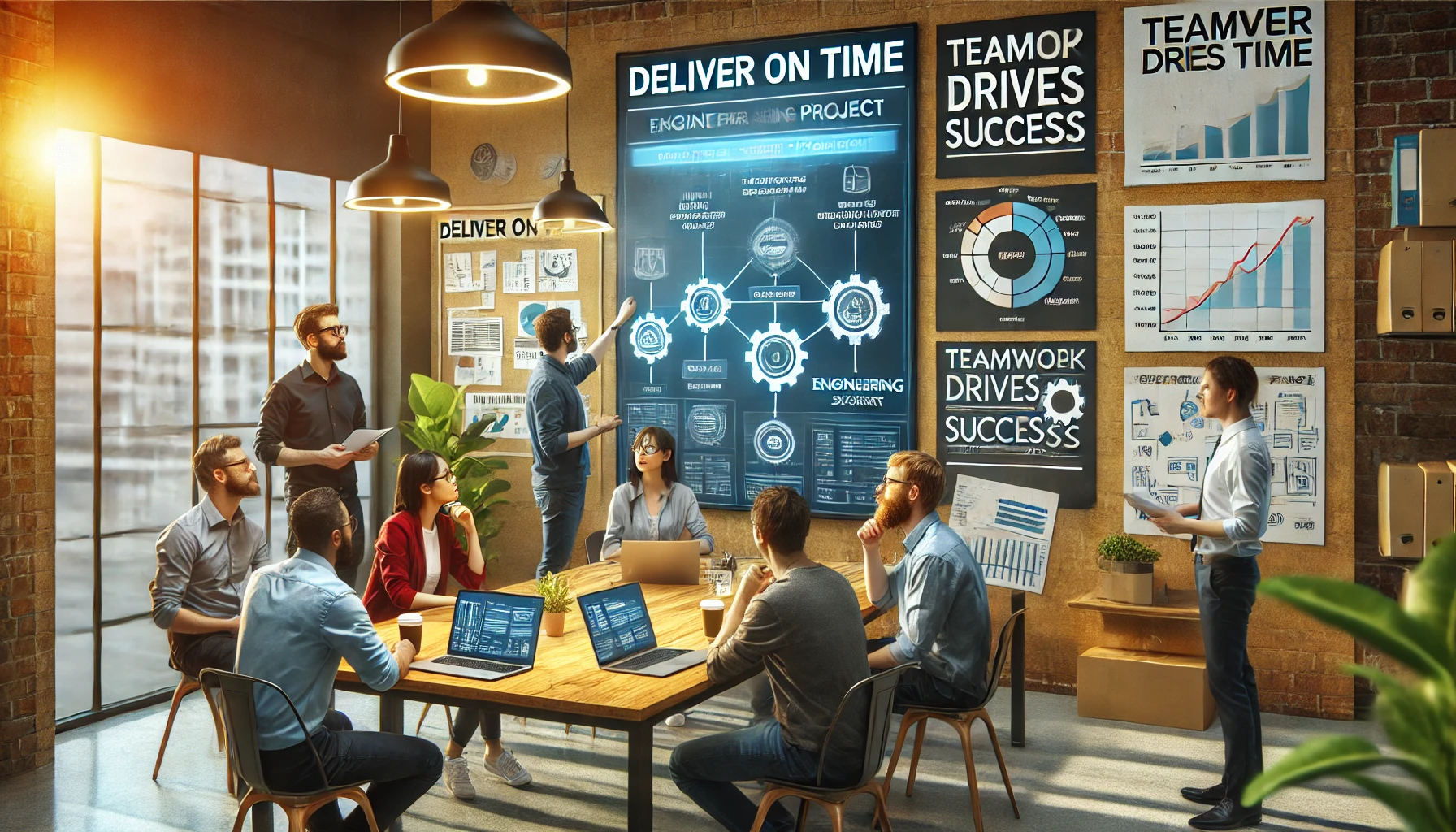
When an engineering team faces a high-pressure project phase, maintaining motivation and driving success becomes crucial. In 2026, the value driver has shifted from simple output to connection and clarity. Collaboration and clear responsibilities are no longer just "nice-to-haves"—they are the bedrock of overcoming technical obstacles and hitting deadlines.
🧩 Break Down Tasks into Smaller, Achievable Goals
Large, complex projects can be overwhelming, leading to decreased motivation and "analysis paralysis." By breaking down tasks into smaller, manageable chunks, you create a constant sense of progress. This approach allows team members to focus on specific objectives, reducing stress and increasing confidence.
- Identify key milestones: Break them into sub-tasks that can be completed in 1–3 days.
- Set realistic deadlines: Avoid "optimism bias" by involving the engineers in the estimation.
- Celebrate small wins: Use "Progress Snapshots" to highlight consistent movement, even if the final deliverable is still weeks away.
📋 Clearly Define Roles and Responsibilities
Ambiguity in roles leads to confusion, duplication of effort, and "invisible work" that goes unrecognized. By clearly defining ownership, you create accountability and empower team members to take true ownership of their code.
- Strength-based assignment: Collaboratively assign tasks based on individual expertise and career growth interests.
- Transparent role definitions: Ensure the entire team knows who is the "Decision Driver" for specific modules to avoid circular meetings.
- Regular reviews: Adjust responsibilities as the project evolves; what worked in the architecture phase may not work during the hardening phase.
👥 Promote Pair Programming to Foster Teamwork
Pair programming is an excellent way to enhance collaboration, knowledge sharing, and problem-solving. In a world where AI-assisted coding is common, "human-to-human" pairing provides the critical logic check and architectural alignment that automation sometimes misses.
Benefits of pair programming:
- Continuous Learning: Naturally spreads "tribal knowledge" across the team.
- Higher Quality: Reduces errors early, preventing costly "re-work" during the final sprint.
- Resilience: Builds stronger professional relationships, making the team more robust during stressful periods.
💬 Create a Centralized Communication Channel
Effective communication is the antidote to uncertainty. In 2026, the trend is moving away from "data proliferation" (too many dashboards) toward actionable insights. Establishing a centralized channel ensures that everyone has access to the right information at the right time.
- Sync vs. Async: Use regular "Pulse Checks" for blockers, but rely on tools like Slack or Teams for real-time, asynchronous updates to protect "Deep Work" time.
- The "Purpose Checkpoint": Every two weeks, spend 10 minutes sharing how the current technical sprint contributes to the bigger business picture.
By implementing these strategies, you create a collaborative environment that motivates your engineering team and drives success, transforming a challenging project from a burden into a career-defining achievement.