
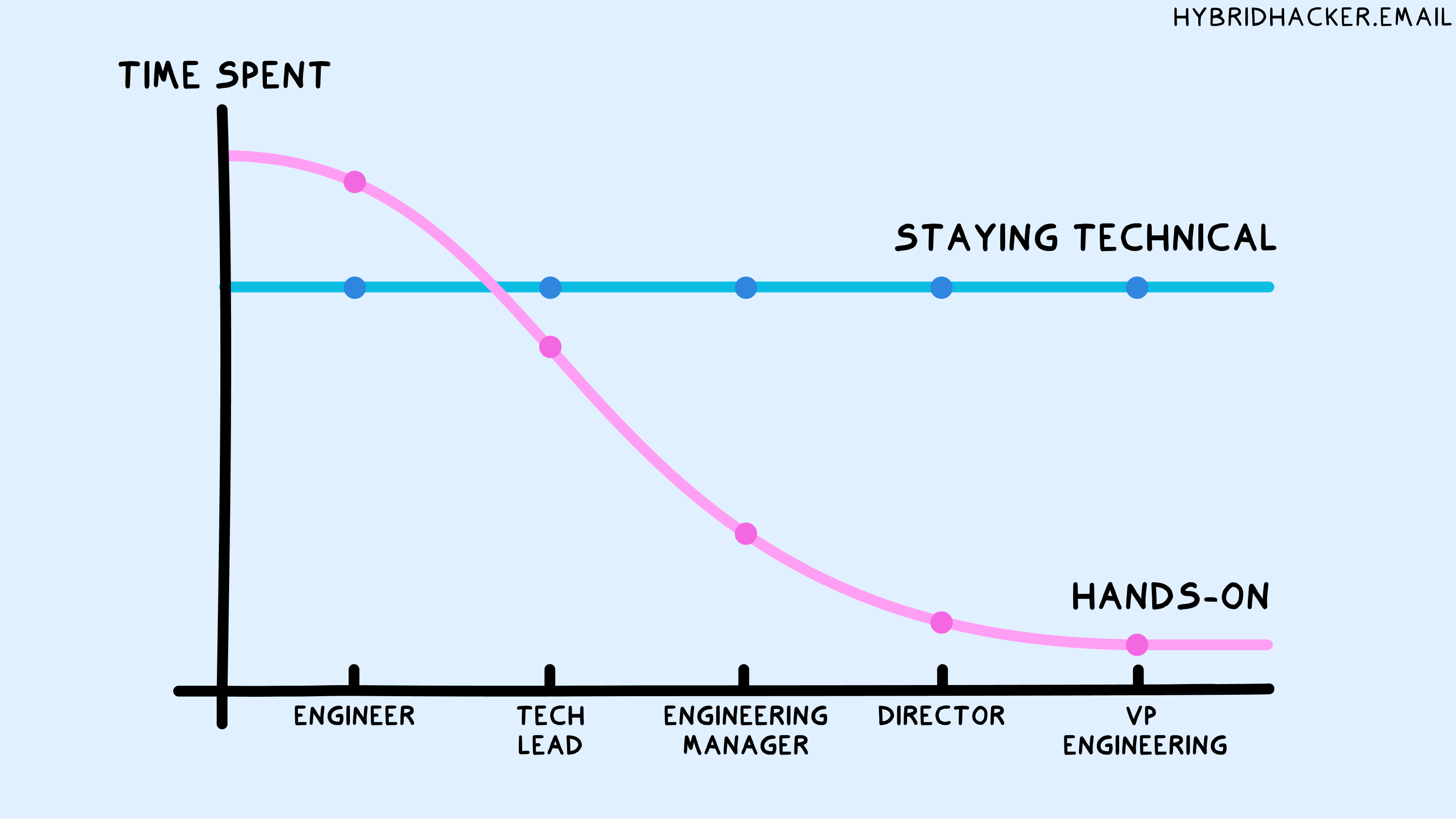
As a Software Engineering Manager, striking the right balance between hands-on technical work and leadership has always been a personal challenge. It’s a struggle reflected across the industry, as noted in recent discussions by HybridHacker about the difficulty of staying technical while managing people.
While there’s no one-size-fits-all answer, experienced managers suggest that the ideal percentage of time spent coding typically falls between 20% and 40% of your overall workload.
The Dynamic Balance
The “correct” percentage isn’t a fixed rule but an adaptive strategy. Your primary responsibility is ensuring the team operates optimally, which means leadership duties must take precedence over individual coding contributions.
Several factors will pull you toward one side of the spectrum or the other:
- 👥 Team Size: Larger teams require more coordination and less solo coding.
- 🎓 Team Experience: A junior-heavy team might need you in the trenches for technical guidance, whereas a senior team needs you to clear organizational blockers.
- 🏗️ Project Phase: During the initial discovery or final hardening phases, your involvement may fluctuate significantly.
- 🏢 Organizational Expectations: Some cultures expect "Player-Coaches," while others prefer "Pure Managers."
Why Staying Technical Still Matters
Even if you aren't the primary contributor, maintaining a "code-active" status offers distinct advantages:
- 💻 Informed Decision-Making: It keeps you technically relevant, allowing you to smell "architectural rot" before it becomes a disaster.
- 🔍 Empathy for the Grind: It helps you understand the team’s friction points (like slow CI/CD or messy legacy code) firsthand.
- 🤝 Credibility: Engineers respect leaders who can still speak the language and understand the complexity of the tasks they assign.
The Managerial Trap: When Coding Becomes a Risk
It’s crucial to remember that your impact is now measured by team output, not your individual GitHub green squares.
- The Bottleneck Risk: If you take on "critical path" features and get pulled into a day of meetings, the whole project stalls.
- Growth Limits: Too much time in the IDE can prevent you from looking up and seeing the strategic shifts in the organization.
- The Role Shift: Your primary value is now in communication, facilitation, and coaching.
Strategies for Striking the Balance
To effectively manage your dual role, consider these tactics:
- ✅ Prioritize People First: Never skip a 1:1 to finish a pull request.
- 🛠️ Code in Non-Critical Areas: Focus on internal tools, documentation, or bug fixes that aren't blocking a major release.
- 🎯 High-Impact, Low-Risk: Focus on "force multiplier" tasks like improving the developer experience or prototyping new ideas.
- 🔄 Reassess Weekly: Every Friday, look at your calendar. If you spent 0% or 100% on code, adjust your plan for the following week.
As you progress in your managerial career, it’s natural—and necessary—for coding time to decrease. Your ability to enable and empower your team is your new "superpower." While the exact percentage may vary, aiming for that 20-40% window is a healthy starting point for any Engineering Manager looking to remain a technical leader.