
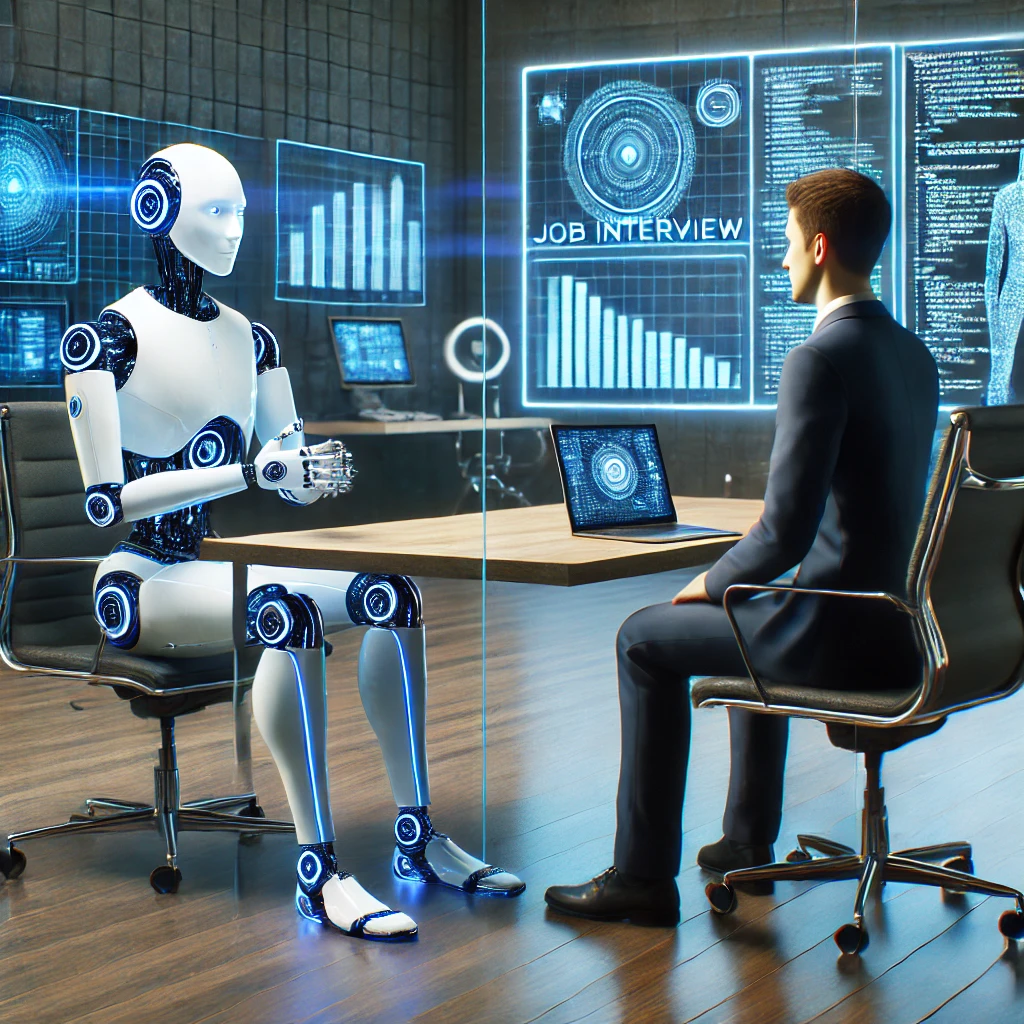
The rise of Artificial Intelligence (AI) is fundamentally transforming roles within IT companies, leading to a redefinition of traditional career paths and organizational structures. As automation takes over repetitive tasks, professionals are being empowered to focus on strategic, creative, and innovative work.
💡 Key Trends in the Evolution of Tech Ladders
According to updated industry insights, including the KPMG Global Tech Report 2026, organizations are moving from experimentation to scaling AI, which has a direct impact on the professional "tech ladder."
Here’s how the classical tech ladder is evolving:
- 📉 Flattening of Hierarchies: Organizations are adopting flatter structures, moving away from rigid silos to enable cross-functional and hybrid roles. Small, high-leverage human teams now often orchestrate large AI-augmented ecosystems.
- 🎯 Focus on Strategic Leadership: Senior roles—such as Principal Engineers and Architects—now emphasize high-level decision-making, system architecture, and ethical AI oversight over manual code reviews.
- 🔄 Dynamic Career Paths: Linear career progressions (Junior → Mid → Senior) are giving way to flexible, "lattice" paths that blend deep technical specializations with human-AI collaboration skills.
- 📈 Redefinition of Entry-Level Roles: Basic tasks like writing boilerplate code or initial documentation are now handled by AI assistants. This pushes new entrants toward roles that focus on AI orchestration and managing automated processes from day one.
🌟 Emerging Roles in the AI Era
As AI reshapes industries, entirely new job titles have emerged to meet the demands of this transformation:
- 🤖 AI Trainers & Prompt Engineers: Specialists who teach and fine-tune AI systems to interpret human inputs effectively and maintain model accuracy.
- ⚖️ AI Ethicists & Governance Leads: Professionals dedicated to ensuring AI models operate within legal boundaries, addressing biases, and managing societal impacts.
- 🔧 MLOps & AI Cloud Architects: Experts who combine machine learning with DevOps to deploy, maintain, and scale AI infrastructure in production environments.
- 🎨 Generative AI Designers: Creative technologists who leverage generative tools to revolutionize content creation and media production.
- 📊 AI-Powered Product Managers: Managers who oversee the intersection of engineering and business strategy, specifically for products that integrate AI for enhanced user experiences.
The Future of "Traditional" Roles
While traditional roles like Senior Software Engineer remain relevant, their scope has shifted. Modern engineers are now expected to be "high-leverage operators." This means spending less time on implementation and more time on:
- System Architecture: Designing scalable, resilient backends.
- AI Supervision: Reviewing AI-generated code for security and correctness (like a senior reviewing a junior).
- Inference Economics: Optimizing the performance and cost of running AI models at scale.
In 2026, the tech ladder isn't disappearing—it's being rebuilt for a world where AI is a co-worker, not just a tool.