Agile is no longer just a methodology—it’s a mindset of continuous learning, adaptation, and innovation.
Since its inception in 2001 with the Agile Manifesto, it has grown from a software development framework to a cross-industry approach to driving change.
Challenges in Agile Adoption
While Agile remains widely adopted, satisfaction rates have dropped significantly—from 71% in 2022 to 59% in 2023 (17th State of Agile Report). Key challenges include cultural resistance (41%), lack of management support (38%), and ineffective collaboration (26%). These barriers highlight the need for deeper organizational transformation beyond mere process changes.
AI: The New Agile Accelerator
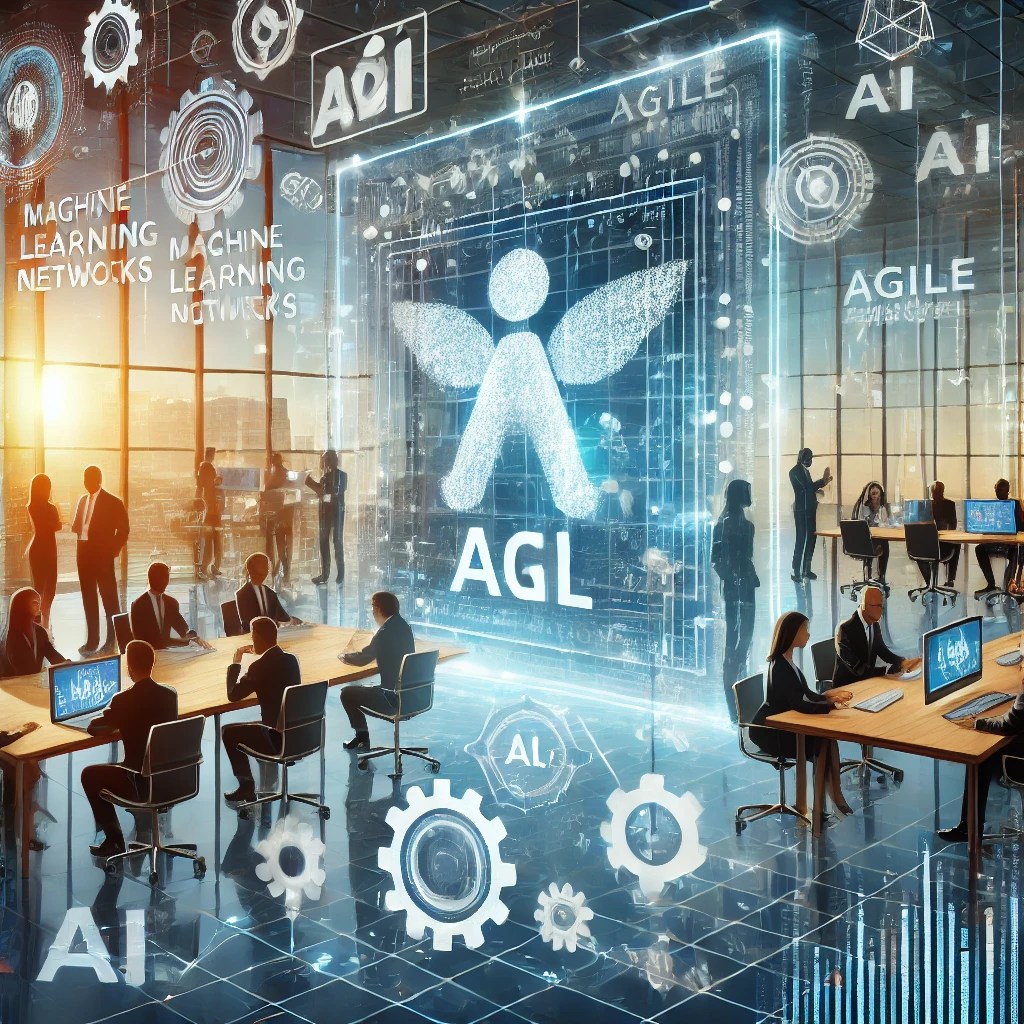
AI is reshaping Agile by embedding intelligence into every stage of project management. As Forbes highlights in “AI Meets Agile: Transforming Project Management For The Future”, AI enables faster iterations, predictive analytics for risk mitigation, and automated workflows. Tools like Jira now use machine learning to optimize sprint planning and execution, empowering teams to deliver higher-quality outcomes efficiently.
The Way Forward
Agile’s future lies in embracing it as a mindset—one that integrates continuous learning and cutting-edge technology like AI. Organizations that adapt will not only overcome current challenges but also unlock new levels of innovation and agility.
Forbes Article
https://www.forbes.com/councils/forbestechcouncil/2024/06/24/ai-meets-agile-transforming-project-management-for-the-future/
17th State of Agile Report
https://2288549.fs1.hubspotusercontent-na1.net/hubfs/2288549/RE-SA-17th-Annual-State-Of-Agile-Report.pdf
Discover more from Mind Refactor
Subscribe to get the latest posts sent to your email.
Mind Refactor

Exploring how technology reshapes our world 🌍 | Insights on Programming, Startups, Management & Leadership 🚀
Curious how technology is reshaping our world? 🚀
Dive into insights on Programming, Startups, Management & Leadership at Mind Refactor. Leave your email here.
